
Don't Get Trapped by Fraudulent Tax Schemes
Since 2022, bad actors posing as “tax experts” have used social media to push fraudulent ways of claiming credits. Their posts encourage taxpayers to misuse legitimate credits, such as the Fuel Tax Credit or the Sick and Family Leave Credit. These credits are meant only for certain businesses or self-employed individuals, but taxpayers who follow the online advice file false or frivolous returns.
The IRS keeps a running list of frivolous claims on IRS.gov. To date, the agency has assessed more than 32,000 penalties totaling over $162 million tied to false tax-credit claims.
Common traits of these scams include:
- Claims that everyone qualifies for a specific tax credit.
- Promises of "easy" or "fast" refunds with minimal documentation.
- Instructions telling people to file amended returns to claim credits they never qualified for in the first place.
- Encouragement to ignore IRS letters or to respond with false information.
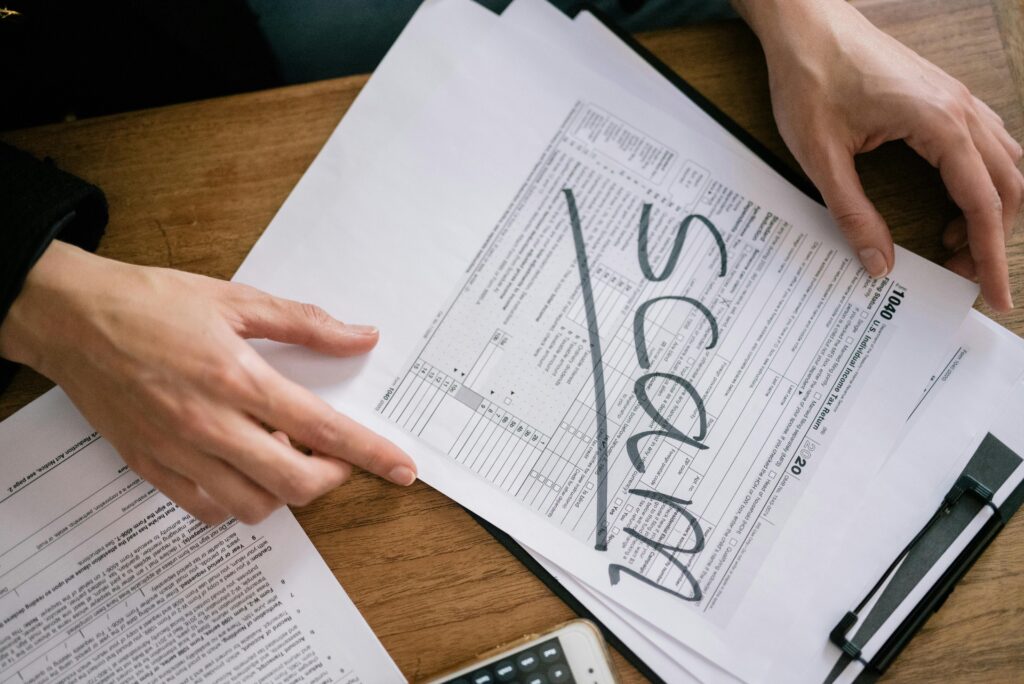
What happens if you fall for it?
- Your refund may be delayed or denied.
- You may be hit with civil penalties as high as $5,000 per frivolous return under Internal Revenue Code §6702. Additional penalties may apply.
- Your return could be flagged for further IRS examination and enforcement action.
What to do if you've been misled
If you already have filed an inaccurate return:
- File an amended return quickly using Form 1040-X.
- Respond promptly to any IRS letters or notices.
- Seek help from a reputable tax professional or the official resources at IRS.gov.
Protect yourself
Whenever you suspect a tax scam, report it to the IRS by emailing phishing@irs.gov or by filing a complaint with the Treasury Inspector General for Tax Administration office. Be cautious about anything you see on social media — verify claims with credible sources or consult a qualified practitioner before you act.
For the latest updates on scams, see the IRS Tax Scams page. And in an amusing twist, you can follow the IRS itself on social media — check out @IRStaxsecurity on X for scam-awareness tips.
News
Related News
Thinking About Selling Your Business?
Deciding when and how to sell your business requires deep preparation, from understanding potential buyers to organizing extensive financial and…
Know the Key Business Tax Issues
Avoid costly IRS penalties, audits, and payroll mistakes by learning the common business tax issues that threaten small business cash…